

When you enjoy your cup of coffee in the morning, you probably don't realize that the coffee grounds left in your filter or coffeemaker have much more potential than just ending up in the trash. These grounds, rich in nutrients and with surprising properties, can have a second life in your home. In this article, we will explore eight creative ways to make use of coffee grounds and reduce your waste.
Introductory note
Before diving into the fascinating ways to reuse coffee grounds, it's important to understand exactly what this mysterious residue left in our cups and coffeemakers is. The "coffee grounds" is the name given to the mixture of solid particles that separate from the liquid when we make coffee. This Set of particles includes fragments of ground coffee beans, natural oils and organic compounds that contribute to the characteristic flavor and aroma of this beverage.
Beyond being simply a byproduct of coffee preparation, coffee grounds are a valuable and versatile resource that can have multiple uses in our daily lives. From their application in beauty and personal care to their contribution to sustainable practices, coffee grounds become an unexpected ally worth discovering. Join us in this exploration of how to give this humble residue a second life and reduce our environmental impact creatively. Let's discover how coffee grounds can be a treasure in our home!

How to use coffee grounds
1. Natural Skin Exfoliant: Coffee grounds are an effective natural exfoliant. Mix them with a little coconut oil or olive oil to create a homemade scrub. You can also use it in the shower to revitalize your skin and reduce cellulite (you'll achieve a peeling effect while its oils and caffeine are great for the skin).
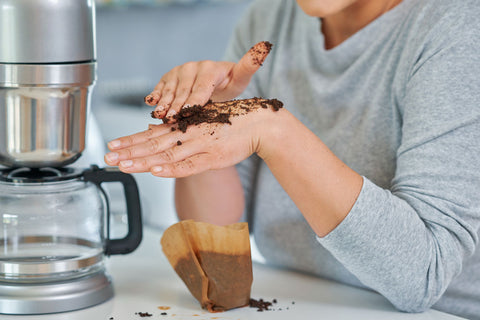
2. Pest Repellent: Dealing with ants or slugs in your garden? Sprinkle coffee grounds around affected areas to keep these unwanted pests at bay.
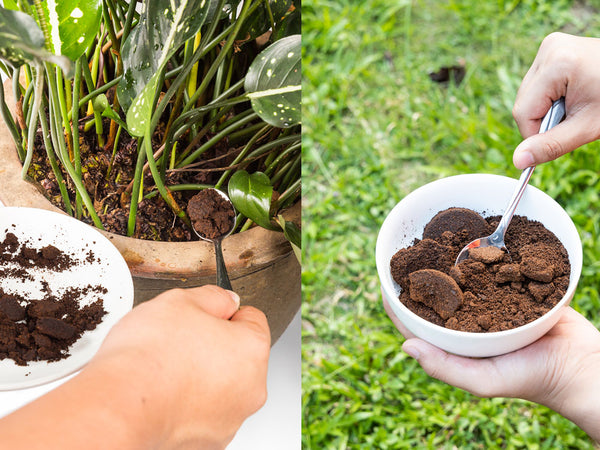
3. Plant Fertilizer: In my opinion the easiest and most common way to use it, coffee grounds are rich in essential nutrients for plant growth, such as nitrogen, potassium and phosphorus. Mix them into your garden soil, add a few tablespoons occasionally to pots, or add them to your compost to enrich your plants' substrate.
4. Natural Deodorizer for the Fridge or Cabinets: Place an open container of coffee grounds in the refrigerator or in areas with bad odors. The coffee will absorb unpleasant smells and keep the area fresh.
5. Eco-Friendly Cleaning: The coffee grounds when dry are a gentle, natural abrasive cleaner. Use them to scrub kitchen surfaces, pots and pans, effectively removing grease and grime.
6. Natural Dye for Art: If you love crafts, use the coffee grounds as a natural dye to color fabric or paper. Boil the grounds with water and soak your materials to give them an aged look.
7. Odor Remover for Hands: After handling foods with strong odors like garlic and onion, rub your hands with coffee grounds to remove those persistent smells.
8. Cleaning Kitchen Utensils: Are your kitchen utensils stained or with food residue? coffee grounds can help remove stains and unwanted odors. Rub gently and rinse. Also, if you have stuck-on food, rubbing a sponge with coffee in the pan (or using a paper towel with the grounds) will produce a peeling effect that helps remove those residues.
Without a doubt, coffee grounds are a valuable resource that deserve a second chance. Don't see them as waste, but as a versatile resource in your home. Try these eight creative ways to use them and help reduce your ecological footprint while enjoying the additional benefits of coffee in your daily life. Don't underestimate the power of coffee grounds !
Important Note: The grounds, when dry
Before embarking on the exciting adventure of giving your coffee grounds a second life, it's essential to consider a crucial detail: coffee grounds should be used dry for most of their applications. Although it may seem like a minor detail, the difference between wet and dry coffee grounds is fundamental to the success of your projects.
Why dry? Dry coffee grounds retain their granular texture and natural properties, and while you can use them wet immediately for a peeling or to clean something, if they are not dried and stored properly they could develop mold: wet coffee grounds can develop mold.
To prevent mold in coffee grounds, it is essential to ensure they are completely dry before storing them in an airtight container or sealed bag. Also, store them in a cool, dry place away from moisture and direct sunlight.
So, before diving into the world of possibilities with coffee grounds, make sure to dry them completely.
How to dry coffee grounds
Drying coffee grounds is a simple process, it just requires a bit of time and care. Here is a small step-by-step on how to do it:
-
Collect the Wet Coffee Grounds: After making your coffee, collect the wet coffee grounds from the coffeemaker or filter.
-
Spread the Grounds Out: Place the coffee grounds on a baking tray or a flat surface in an even layer. Try not to pile them up so they dry evenly.
-
Let Them Air Dry: Leave the tray with the coffee grounds in a well-ventilated area or under indirect sunlight. Avoid direct sunlight, as this can negatively affect the quality of the grounds.
-
Stir Occasionally: During the drying process, stir the coffee grounds occasionally to ensure they dry evenly on all sides.
-
Wait the Necessary Time: Drying time may vary depending on ambient humidity and the amount of grounds you are drying (and the thickness when spread on the tray). It can take from several hours to a day or more.
-
Check for Dryness: To make sure the coffee grounds are completely dry, touch them with your hands. They should feel crisp and brittle when ready.
-
Store Them: Once dry, store the coffee grounds in an airtight container or a sealed bag until you are ready to use them in your projects.
You can also use the food dehydrator for this purpose! Place parchment paper on the trays of your dehydrator, and spread the grounds over them. Set it to 70 ºC and, if you have spread them in thin layers, you'll see they dry quickly.


